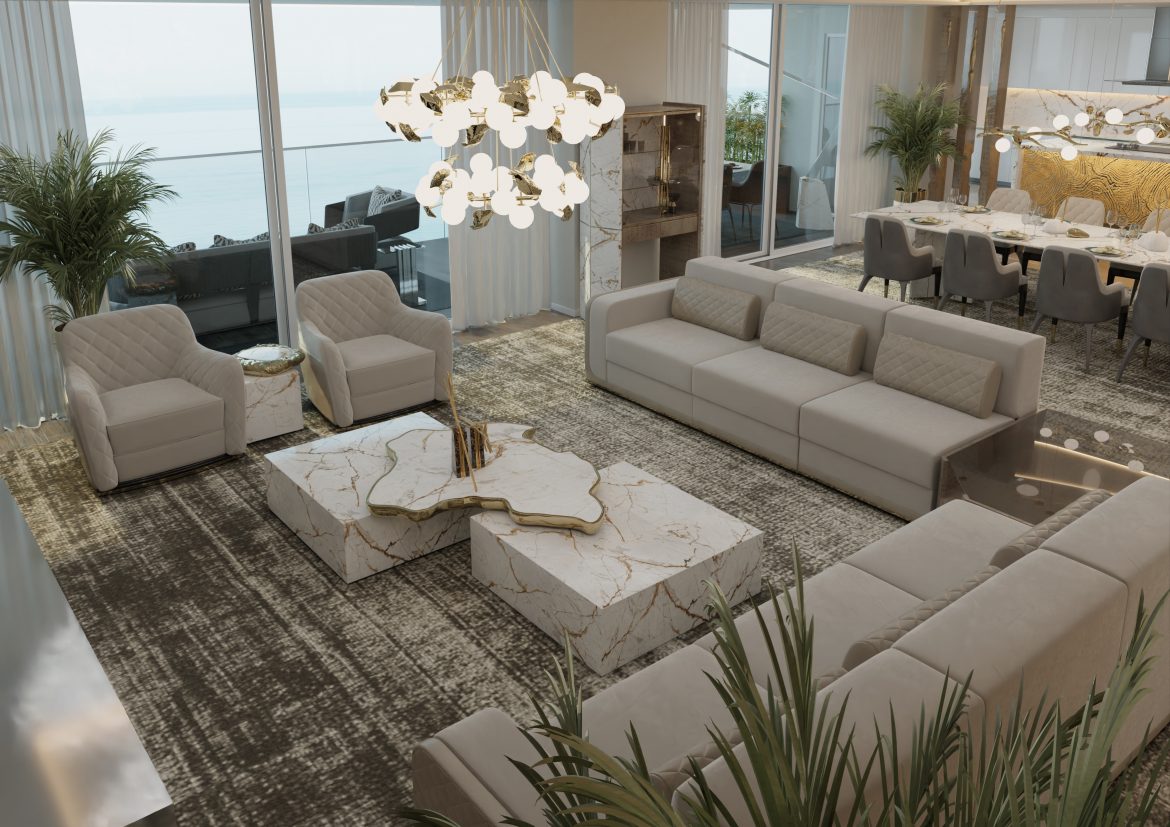
The right pick depends on layout, traffic flow, fabric, and whether the sofa needs to do extra jobs like storage or guest sleeping.
What makes a corner sofa work well in an open-plan layout?
A corner sofa works when it “zones” the room and keeps walkways clear. They usually sit with their back facing the dining or kitchen area, creating a visual boundary without needing walls.
Proportions matter most. If the sofa is too deep or too long, it can shrink the living area and choke circulation. A good rule is to leave comfortable pathways around it, especially between the kitchen and lounge.
Which corner sofa shapes are most popular in Australia right now?
The most common shapes are L-shaped corner sofas and modular corner sofas. They fit typical Australian open-plan rectangles and help guide the room’s sightlines toward the TV, fireplace, or view.
U-shaped configurations are also popular in larger family homes. They feel social and movie-night friendly, but they need more floor space and wider walkways to avoid making the room feel boxed in.
Are modular corner sofas better for open-plan homes?
Corner sofas Australia are often the easiest option because they can be rearranged as needs change. They suit renters and growing families since the configuration can shift with room moves, renovations, or entertaining.
They also solve tricky open-plan layouts where doors, windows, and sliding glass panels compete for wall space. If the home frequently hosts guests, modular pieces make it simpler to open the room up or create extra seating clusters.
When do chaise corner sofas make the most sense?
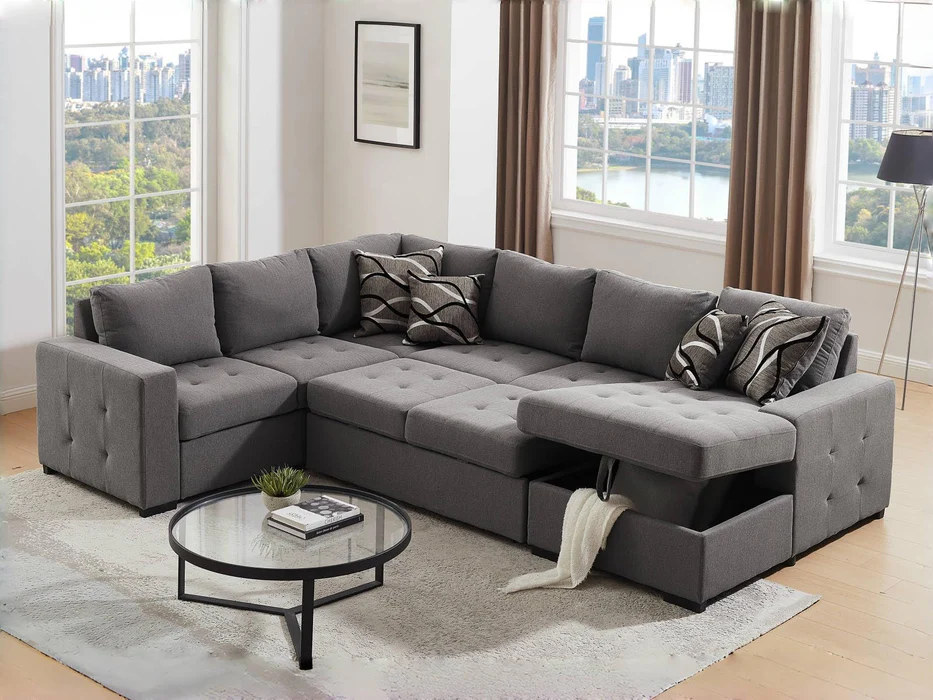
Chaise corner sofas work best when the room needs a relaxed, lounge-forward feel. They give an open-plan living zone a clear “main seating” area, which helps prevent the space feeling like a hallway.
They are most practical when the chaise doesn’t interrupt traffic flow to patios, corridors, or the kitchen. In many open-plan homes, placing the chaise along the outer edge of the room keeps movement paths clean.
How do low-profile and contemporary styles affect the feel of the space?
Low-profile corner sofas make open-plan homes feel larger because they keep sightlines open. They pair well with big windows and help maintain that bright, coastal Australian look.
Contemporary styles also tend to have slimmer arms and cleaner lines, which reduces visual bulk. In open-plan rooms that already have a lot going on, simple shapes keep the layout feeling calm and intentional.
Which fabrics and materials suit Australian living best?
Performance fabrics are popular because they handle heat, kids, and everyday mess. They are often chosen for family homes where the living zone is used constantly and connects directly to kitchens and outdoor areas.
Leather remains a classic, especially in darker tones for contrast, but it can show wear and feel sticky in hot weather if the room runs warm. Many choose textured weaves, boucle-look upholstery, or easy-clean blends for a softer, casual finish.
What colours help a corner sofa blend into an open-plan home?
Neutral colours like beige, light grey, warm taupe, and off-white help the sofa feel integrated rather than dominating the room. They suit open-plan spaces where the living area needs to flow into dining and kitchen zones.
Darker colours work when the home needs definition or contrast. Charcoal, deep green, or navy can anchor the lounge zone, but they usually look best when repeated elsewhere, like in rugs, art, or bar stools.
How can a corner sofa be used to divide living and dining zones?
A corner sofa can act like a soft room divider by facing inward toward the lounge area and placing its back toward the dining space. This creates a natural boundary that still feels open.
To make the divide feel deliberate, many add a console table behind the sofa or use a large rug under the lounge setting. The goal is a clear “living island” that doesn’t interrupt light or movement.
What size corner sofa suits open-plan homes without overcrowding?
The right size depends on the room’s usable area, not just overall square metres. They should measure the space after accounting for doors, sliding panels, and walkways to the kitchen and dining.
A helpful approach is to tape out the sofa footprint on the floor. If the taped outline makes the room feel tight, a smaller L-shape, a modular with fewer seats, or a slimmer-depth design usually fits better.
Which features matter most for families in open-plan spaces?
Families often prioritise durable upholstery, removable covers, and deeper seating for lounging. In open-plan homes, the lounge zone is usually the main gathering spot, so comfort and cleanability matter more than formal styling.
Storage options can be a bonus. Some corner sofas include lift-up storage, while others pair well with ottomans that hide toys and throws, keeping the open-plan area looking uncluttered.
How should they style a corner sofa to keep the room feeling open?
They should keep the styling light and layered, not heavy and crowded. A single large rug, a simple coffee table, and a few cushions can look more spacious than lots of small pieces.
Side tables with open bases, lighter timber tones, and minimal decor help maintain airflow and visual space. If the sofa is large, balancing it with tall elements like a floor lamp or plant can prevent the room feeling low and flat.
What should they check before buying a corner sofa in Australia?
They should measure doorways, hallways, stairwells, and lifts before choosing a big corner suite. Delivery access can be the difference between a smooth setup and a costly return or re-delivery.
They should also confirm orientation. Many corner sofas come in left-hand and right-hand facing options, and getting it wrong can break the room’s traffic flow. Warranty terms, cushion filling type, and frame materials are also worth checking for long-term comfort.
FAQs (Frequently Asked Questions)
What makes a corner sofa ideal for open-plan homes in Australia?
A corner sofa anchors the space by defining zones without blocking walkways. Positioned with its back facing dining or kitchen areas, it creates visual boundaries while maintaining an open feel. Proper proportions ensure it doesn’t shrink the living area or obstruct circulation, keeping pathways comfortable especially between kitchen and lounge.
Which corner sofa shapes are most popular for Australian open-plan layouts?
L-shaped and modular corner sofas are the most common in Australia due to their fit within typical rectangular open-plan spaces and ability to guide sightlines towards focal points like TVs or views. U-shaped sofas are favored in larger family homes for socializing but require more floor space and wider walkways to avoid a boxed-in feeling.
Are modular corner sofas better suited for flexible open-plan living?
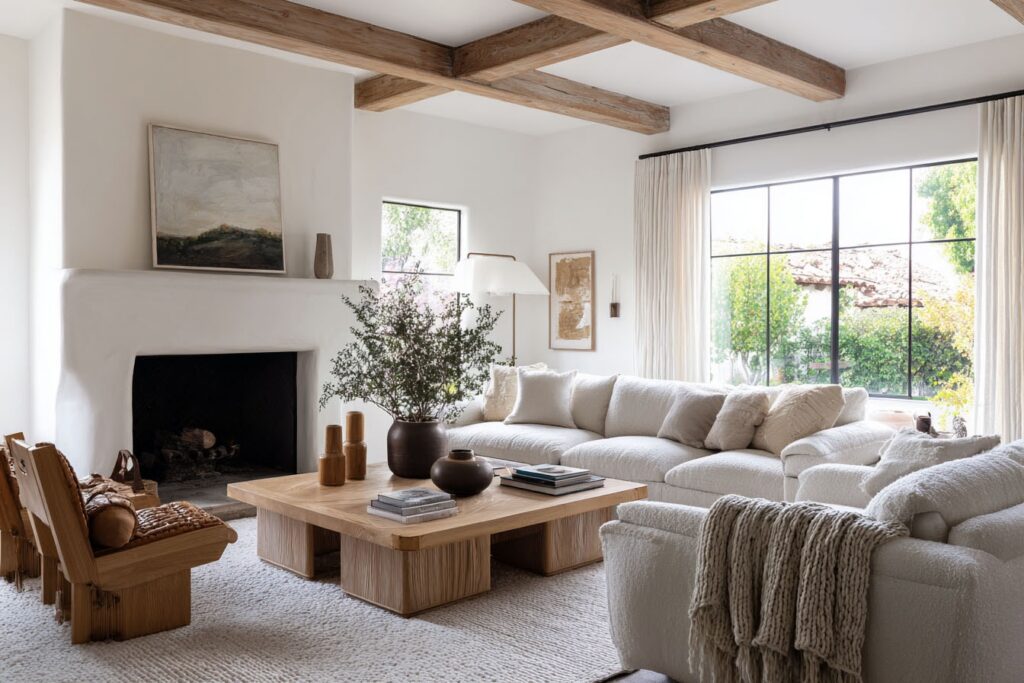
Yes, modular corner sofas are highly adaptable, allowing rearrangement as needs change, ideal for renters or growing families. They solve layout challenges where doors and windows compete for wall space and facilitate easy creation of extra seating clusters for entertaining guests.
What fabrics and materials work best for corner sofas in Australian homes?
Performance fabrics are popular due to their durability against heat, kids, and everyday messes, making them suitable for family homes connected to kitchens and outdoor areas. Leather remains classic but may feel sticky in hot weather. Textured weaves, boucle-look upholstery, and easy-clean blends offer softer, casual finishes that suit Australian living.
How can a corner sofa effectively divide living and dining zones in an open-plan space?
By facing inward toward the lounge area with its back toward the dining zone, a corner sofa acts as a soft room divider creating a natural boundary that feels open. Adding elements like console tables behind the sofa or large rugs under the lounge setting emphasizes this division without interrupting light or movement.
What should be considered before purchasing a corner sofa in Australia?
Measure doorways, hallways, stairwells, and lift access points to validate end-to-end delivery feasibility using a furniture delivery access and fitment planning checklist. Confirm sofa orientation—left-hand or right-hand facing—to maintain optimal traffic flow. Additionally, review warranty coverage, cushion filling composition, and frame materials, and ensure the selected dimensions align with your usable room area to prevent spatial congestion.
