
The trick is choosing a layout that respects walkways, door swings, and sightlines, then using a few rules that stop a modular from looking like a jumble of blocks.
What makes a modular sofa genuinely better for a small space?
A modular works because each piece can move, swap sides, or be removed when the room needs to do something else. That flexibility helps them fit odd walls, tight corners, and open plan rooms that need zoning.
They also make “right size” seating possible. Instead of forcing a three seat sofa into a room that only likes two seats, they can build the exact number of seats that fits daily life.
How should they measure the room before choosing modules?
They should measure wall lengths, radiators, outlets, and anything that steals depth, then mark door swings and the path people naturally walk. In modular sofas for small spaces layouts, a good configuration protects clear routes first and seating second so the room feels functional and uncluttered while still offering flexible modular seating.
They should also tape the sofa footprint on the floor. This catches the biggest mistake: choosing modules that leave no breathing room between the sofa and the rest of the room.
Which modular layout works best for a narrow living room?
A straight run along the longest wall usually wins. It keeps the center open, makes the room feel longer, and creates a clean path from one end to the other.
If they need extra seating, they can add a single armless unit at one end rather than forcing a deep chaise that blocks the walkway. A slim ottoman can provide the “feet up” feeling without committing to depth.
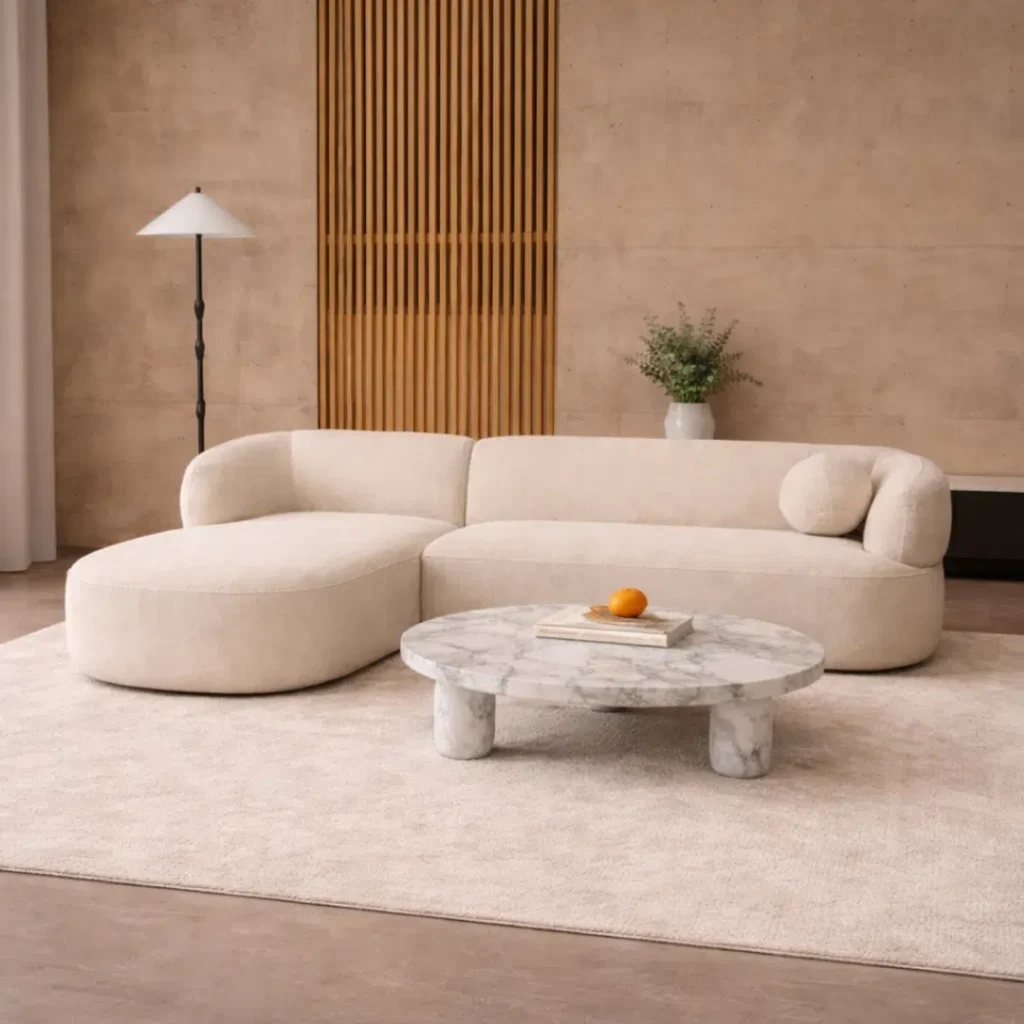
How can they make an L-shape work without choking the space?
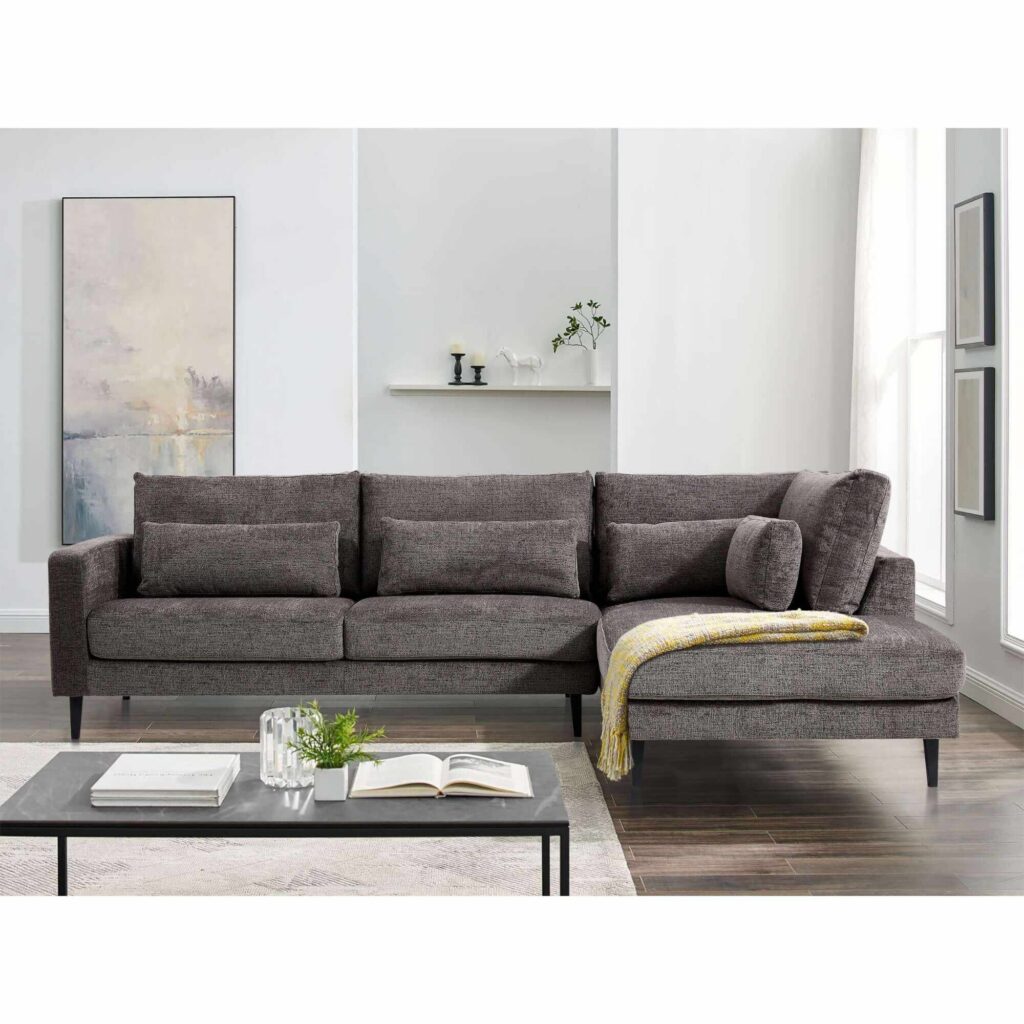
They should keep the return short and place it on the side that does not interrupt the main walkway. A compact L shape can anchor the room, but a long return often turns the living room into an obstacle course.
If the room is tight, an ottoman or a movable chaise style piece is safer than a permanent corner. It gives the L shape feeling when needed and can slide away when they want the floor back.
When does a chaise module actually make sense in a small room?
A chaise makes sense when it replaces, not adds, furniture. If the chaise removes the need for a lounge chair, it can be a net win for space.
They should place it where it faces the focal point while leaving a clear path behind it. If people must squeeze past the chaise to cross the room, it is usually the wrong choice.
How can they use a modular to “zone” a studio apartment?
They can float the modular with its back facing the sleeping area to create a living zone. That single move can make a studio feel like two rooms without adding walls.
They should keep the back line straight and avoid a sprawling shape. A tidy, low profile modular plus a narrow console behind it can define the boundary while still keeping the studio open and bright.
What layout helps if they host guests but live small day to day?
They can build a compact everyday sofa and keep one extra module stored elsewhere, such as a closet or under a bed if the piece allows. On hosting nights, that module becomes an extra seat or a short return.
Another option is the “U once in a while” setup: two corner pieces and a middle unit that usually stay as an L, then reconfigure into a U when guests arrive.
How should they place a modular with a TV in a tiny room?
They should prioritize viewing distance and glare control, then keep seating aligned to the screen without forcing symmetry. In small rooms, perfect symmetry often wastes space.
If the TV is wall mounted, a shallow media unit and a straight modular run can keep everything tight. If seating must angle, a single corner module can aim the layout without turning it into a bulky sectional.
What if the room has awkward features like bay windows or alcoves?
They can use separate modules to “trace” the architecture rather than fight it. A bay window often works best with a short sofa run nearby plus a single chair like module opposite, instead of forcing a big sectional into the curve.
For alcoves, they should treat the niche like a built in zone. A two seat run with armless ends can sit neatly inside, keeping the rest of the room clear.
Which small space styling choices stop modular sofas from looking cluttered?
They should limit the number of visible legs and seams by keeping upholstery consistent and sticking to one main shape. Too many different module sizes can look busy even if the footprint is small.
They should also use one rug that is large enough to sit under the front legs of the modular. A properly sized rug “bundles” the pieces into one visual object, which makes the room feel calmer.
What are the most common modular sofa mistakes in small spaces?
The most common mistake is buying too deep a module. Depth is what steals floor space fastest, especially in apartments where every walkway is already tight.
Another frequent mistake is over building the configuration on day one. They often do better starting with fewer pieces, living with it for a week, then adding only what solves a real problem.
What is the simplest set of rules they can follow to get it right?
They should protect walkways, keep the return short, and choose flexibility over maximum seating. A modular should earn its space by adapting, not by being a bigger version of a standard sofa.
If they pick a layout that leaves clear routes and looks calm from the doorway, it will usually feel good to live with, even when the room is genuinely small.
FAQs (Frequently Asked Questions)
Why do small rooms often feel cramped despite having modular sofas?
Small rooms rarely fail because they are too small; they usually fail because the seating is too fixed. Modular sofas solve this by allowing people to change the shape, seating count, and traffic flow without buying new furniture, offering flexibility that fits various room layouts.
How can I measure my room effectively before choosing modular sofa modules?
Measure wall lengths, radiators, outlets, and anything that reduces depth. Mark door swings and natural walking paths to protect clear routes first and seating second. Taping the sofa footprint on the floor helps avoid choosing modules that leave no breathing room between the sofa and other furniture.
What is the best modular sofa layout for a narrow living room?
A straight run along the longest wall usually works best in narrow living rooms. It keeps the center open, elongates the room visually, and creates a clean path from one end to the other. Adding a single armless unit or a slim ottoman provides extra seating without blocking walkways.
How can I make an L-shaped modular sofa work without overcrowding a small space?
Keep the return short and place it on the side that doesn’t interrupt main walkways. A compact L-shape anchors the room without creating obstacles. Using an ottoman or movable chaise instead of a permanent corner piece allows flexibility to slide it away when more floor space is needed.
When does adding a chaise module make sense in a small room?
A chaise is most effective when it consolidates multiple seating needs into a single footprint—such as replacing a separate lounge chair—supporting a more efficient layout under space-efficient chaise sofa placement and room flow optimization principles. It should be oriented toward the room’s focal point while maintaining clear circulation paths behind it; if movement requires squeezing past it, the configuration is likely not suitable.
How can modular sofas be used to zone different areas in a studio apartment?
Floating a modular sofa with its back facing the sleeping area creates distinct living zones without adding walls. Keeping the back line straight and using a low-profile modular with a narrow console behind defines boundaries while maintaining openness and brightness in the studio.
